SSV/Blog·Oct 19, 2026
Field notes: the industrial park address that turned out to be a parking lot
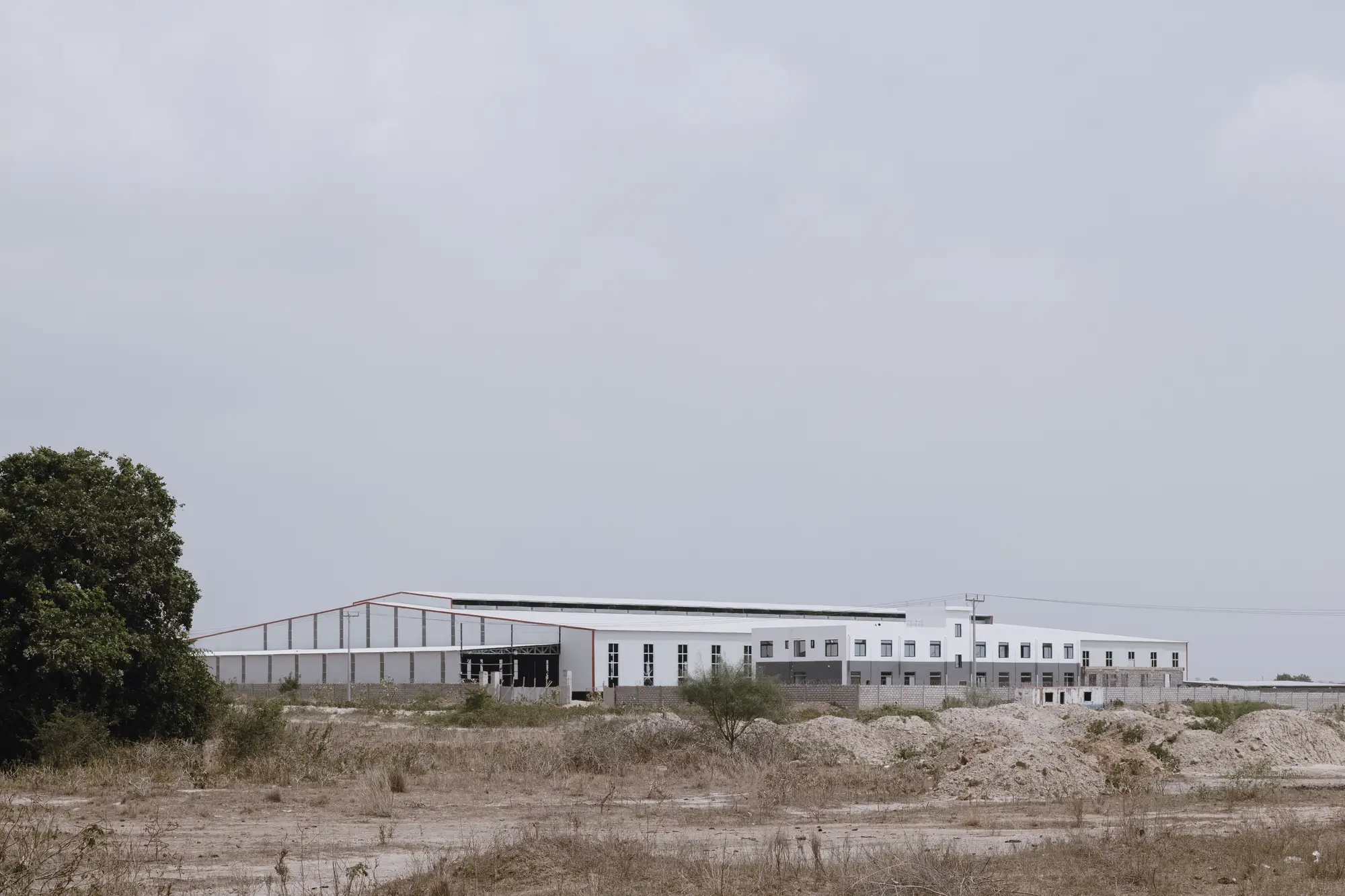
There's a particular story that circulates among people who run supplier qualification, and it shows up in a dozen different cities but always keeps the same shape. A declared plant address sits in an industrial park outside a regional logistics hub, the kind of location that turns up on a hundred supplier questionnaires a year. Floor area: 18,000 square meters. Workforce: 340. Capacity claims that line up neatly with the quote.
Someone finally pulls up the imagery, more out of habit than suspicion. The parcel is real. The industrial park is real. What's actually sitting on the parcel is a paved lot with maybe forty cars on it and a single low building that wouldn't hold a tenth of the floor area on the questionnaire.
Ask around in supplier risk for more than a couple of years and you'll hear your own version of this. The registered address that's a mailbox service. The "plant" that turns out to be a trading office two floors above a noodle shop. The declared warehouse sitting on a vacant lot waiting on a permit that never got filed.
None of these suppliers were necessarily lying outright. Addresses get reused after a lease falls through. A holding company lists its headquarters as the manufacturing site because nobody updated the form in three years. A broker fills out the RFP on behalf of a factory they've never walked through. The paperwork drifts from the ground truth a little at a time, and nobody notices until someone bothers to look.
Occasionally it is fraud. More often it's simpler: the gap between declared and actual never surfaces anywhere else in onboarding.
A supplier's financials can check out clean. References can check out clean. The quote is competitive and the lead times look reasonable. None of that tells you whether there's a building where the paperwork says there's a building, or whether the floor area printed on page three of the capability statement bears any relation to what's standing on the parcel.
That's the gap a first-pass check is built to close, early, before contracts get signed and before anyone books a flight for a real site audit. Confirm the plant is there, at the address given, at roughly the scale claimed. A footprint that comes back a fraction of the declared floor area doesn't prove anything by itself. It's a flag. It's the thing that tells you whether to move the audit up, ask a harder question on the next call, or quietly drop that supplier from the shortlist without spending six months finding out the hard way.
The parking lot case usually ends about how you'd guess. The supplier has a real facility somewhere, just not at that address, and the questionnaire hasn't been updated since an earlier move. No scandal, just paperwork that outlived the building it described. But the analysts who've lived through one of these now run that check on every new supplier before the first call gets booked, because the alternative is finding out on day one of the audit, after the contract's signed and the production schedule already depends on a building that may or may not exist where it's supposed to.
That's the whole idea behind Supplier Site Verification: confirm the plant exists where the paperwork says, and get a rough read on footprint and yard area before you commit to anything larger. If an address on your shortlist has been nagging at you the way that parking lot nagged at someone, it's worth a look before the contract does.