SSV/Blog·Nov 16, 2026
Field notes: the packet that listed everything except where the plant was
The packet was forty-one pages. ISO cert, fire safety plan, org chart down to the shift supervisors, five years of financials, a floor plan with aisle widths marked in millimeters. Everything a procurement file is supposed to have before a new supplier goes live in the system.
What it didn't have, once you actually looked, was a plant.
This wasn't a case of a nonexistent plant. The company is real, the ISO cert checks out against the registrar, and the financials look like financials. But the address on the cover page was a registered-agent office in a city two hours from the industrial zone where the supplier swore the facility sat. The floor plan had no street name on it, no coordinates, nothing tying it to a parcel. The photos in the capability deck were the kind of generic factory-interior shots that could be anyone's line, shot at an angle designed to show equipment and nothing identifiable behind it.
I've been doing site risk for long enough to know this isn't unusual. It's just unusual to notice it this clearly, because the rest of the packet was so good. A thin file gets scrutinized. A thick one gets trusted, because somebody assumes all that paper means somebody already checked the thing underneath it.
Nobody had. That's the part worth sitting with. The cert body audits the quality system, not the address. The bank doing the financial due diligence cares about the entity, not the dirt. The reference calls go to people who've worked with the supplier's sales team, people who've never set foot in the yard. Every piece of the packet is checking a different box, and none of the boxes is "does this building exist where they say it does, and is it even big enough to run what they're claiming."
That last part is the one that gets missed most. Even when someone does confirm an address, plenty of them never check whether the footprint matches the capacity story. I've seen declared floor areas that would require stacking the claimed production lines three deep, in a building that, from the outside, looks like it holds about a third of that. A lease on paper doesn't tell you the shape of what's inside the fence line.
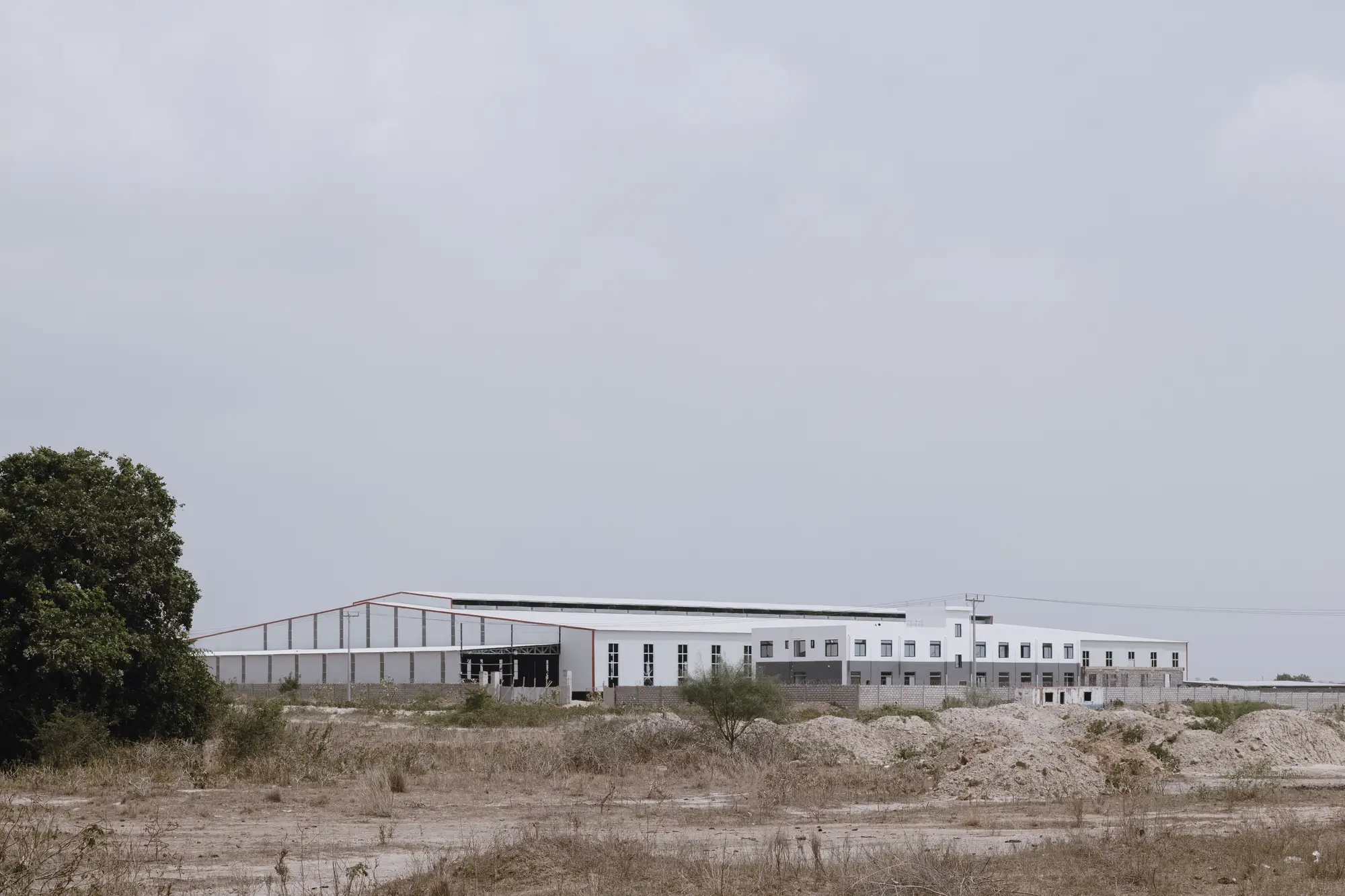
So we pulled the coordinates the supplier had buried in an appendix, the ones that were supposed to match the floor plan, and ran them. There was a building there, which is more than I expected going in. It just wasn't industrial-scale. Warehouse-adjacent, maybe.
Nowhere near the footprint the capacity numbers implied. The yard space that should have held staging for outbound trailers was a gravel lot with room for maybe four trucks. Whatever was happening inside that building, it wasn't the operation described on page 14.
We didn't sign, not because we'd caught a fraud. Maybe it's a sister facility mislabeled, or the real plant sits somewhere else and the appendix coordinates are wrong. But the whole point of a first-pass check is that you don't have to resolve which of those it is before you decide it's worth a second look. You just have to notice that the paperwork and the ground don't agree, and that's reason enough to ask before you commit.
This is why I've stopped treating a clean document stack as a substitute for looking at the actual site. Now the address and the declared floor area are the first thing I check against an outside source, before the rest of the packet even gets read closely. There's a yearly verification sheet from Supplier Site Verification that does exactly this: confirms the named plant sits where the paperwork says, and measures the building and yard footprint against what's been claimed, before anyone's flown out to look in person. Worth running before the next packet lands on your desk looking too complete to question.