SSV/Blog·Nov 2, 2026
Field notes: the plant that was real, just four miles from where the paperwork said
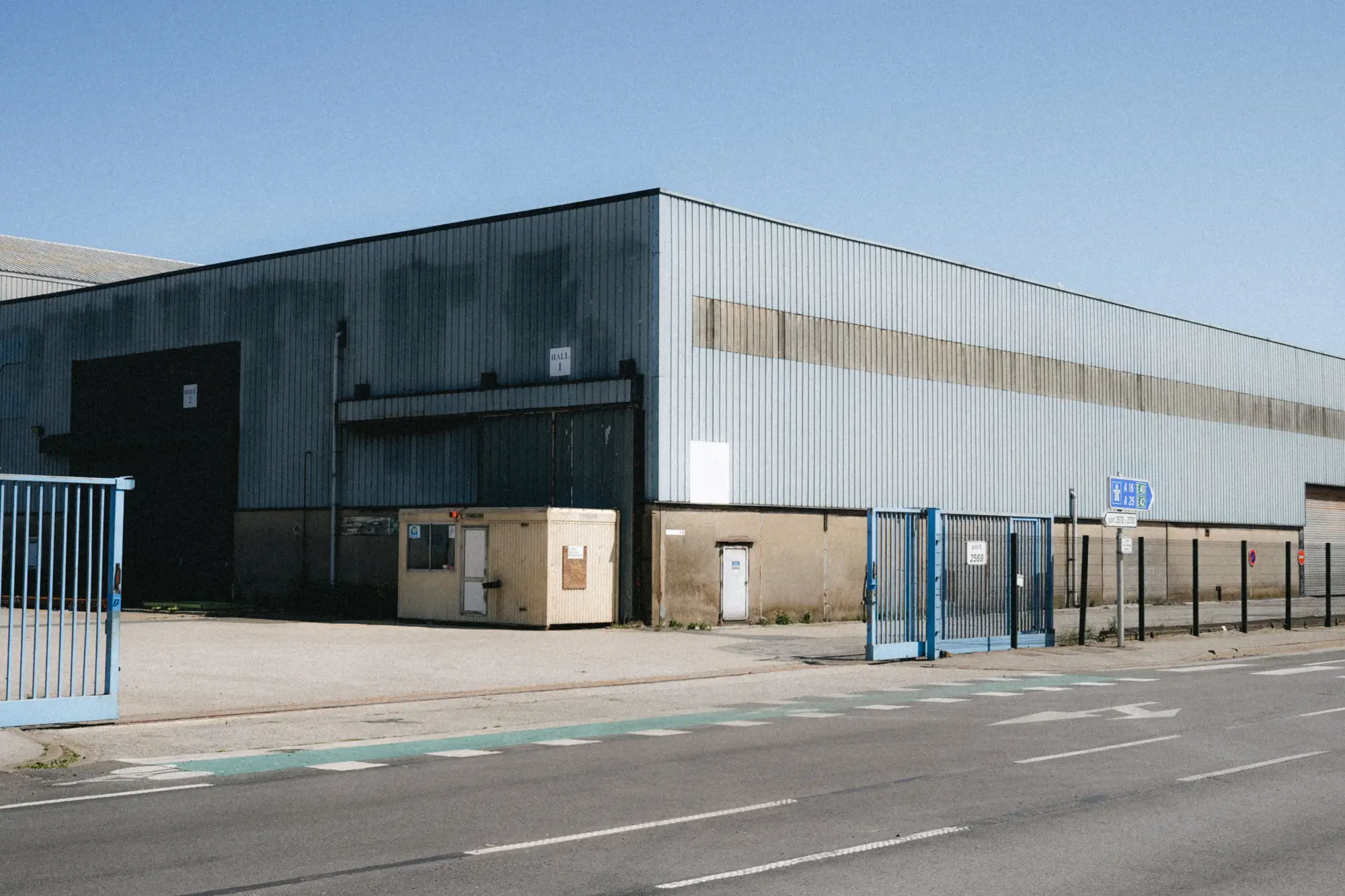
A new supplier came through the pipeline last month with a declared manufacturing address in a mid-size industrial park outside Monterrey. Floor area on the questionnaire: 38,000 square feet. Capacity claims that matched a buyer we'd want to onboard. Nothing about the submission looked off.
The address, when we pulled it up, sat on a parcel that was still bare ground. No building, no yard, no pad. Just a surveyed lot waiting for a tenant.
That's the moment a lot of onboarding checklists stall into an email thread: request clarification, wait a week, schedule a call with the supplier's facilities contact, and still not get a straight answer until someone drives out there months later. We've all sat on the other end of that thread.
Instead we widened the search radius. Four miles east, inside a different zoned section of the same industrial corridor, there it was: a building footprint that matched the claimed square footage almost exactly, a loading yard with trailers parked in a pattern consistent with active shipping, and a roofline that looked right for the process type the supplier described. Same municipality, wrong parcel number on the paperwork. Somebody had typed the lot next to the real one, or the real one had been renumbered after a local re-platting and nobody updated the supplier file.
We flagged it as a documentation discrepancy rather than a fraud finding, because that's what the evidence supported. The plant existed. The footprint matched. The address on the form didn't.
This is the part of the job that doesn't make it into the risk committee slide. Everyone talks about counterfeit certifications and shell suppliers, the dramatic failure modes. The far more common thing we run into is drift: an address that was correct three years ago, a floor plan amendment nobody bothered to notify the buyer about, a supplier who subcontracted a line to a cousin facility down the road and never updated the vendor master file. None of it is fraud. All of it means the number on your supplier record stops matching the ground.
A sourcing manager I talked to afterward put it well: "We don't need a detective. We need someone to confirm the building is where they said it was before we wire a deposit." That's the bar. Not forensic accounting, not a surprise audit team on a plane. A sanity check against the one thing that can't be faked on a spreadsheet, which is a roof and a yard sitting on a specific patch of ground.
The fix we settled on for that file was simple. We corrected the parcel reference, noted the discrepancy in the supplier record, and kept the onboarding moving instead of killing the deal over a clerical error that turned out to be exactly that. But we only got to "exactly that" because we looked before we assumed. Half the near-misses in this job resolve the same way a plant that's real just not where the form says, and the other half don't resolve nearly as well.
If your onboarding process still treats the declared address and floor area as settled facts until an audit eventually proves otherwise, it's worth running that check earlier. A per-supplier verification sheet pulled from satellite imagery will tell you in a pass or two whether the building is there and roughly the size the paperwork claims, before anyone signs.
Run a first check on your next onboarding file with Supplier Site Verification.