SSV/Blog·Oct 8, 2026
Floor area to headcount: a quick capacity plausibility check
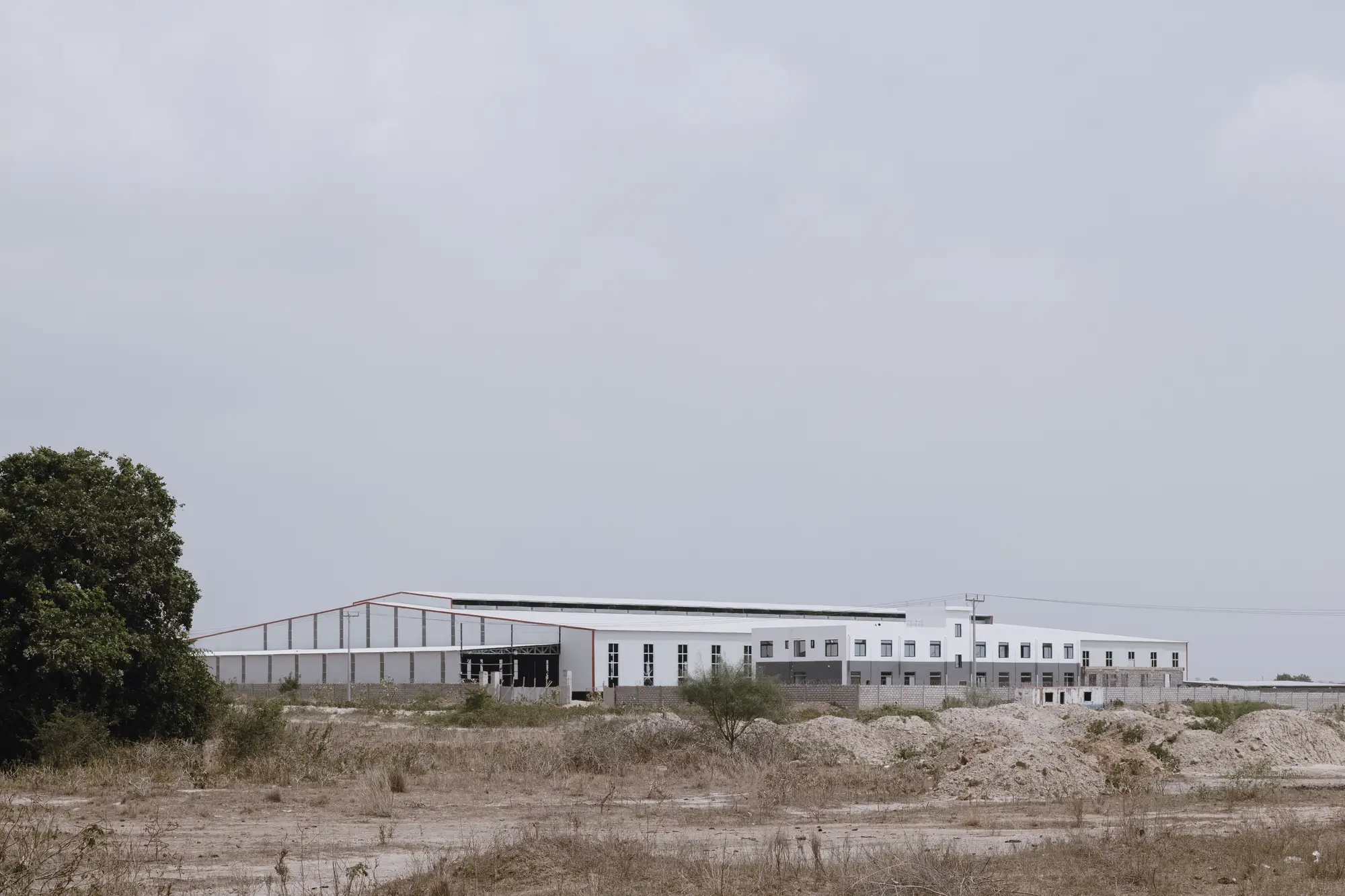
A supplier's onboarding packet says 400 workers and 3,200 square meters of production floor. Is that plausible, or does it smell like a number someone picked to hit a capacity threshold in your RFP? You won't settle that with a site visit scheduled for next quarter. You can get a first read on it today with arithmetic.
Floor area to headcount (or its inverse, headcount to floor area, depending on which way your checklist runs) is one of the oldest tricks in supplier qualification. Divide the declared production floor area by the declared headcount and you get square meters per worker. Compare that figure to what you'd expect for the process type, and you either get a number that sits in a normal range or one that doesn't.
Why this ratio matters more than the raw numbers
Procurement teams get fed two declared figures separately: a headcount on the supplier questionnaire and a floor area on the facility registration or the lease document. Taken alone, either number is easy to inflate and hard to challenge. A supplier claiming 400 workers sounds credible. A supplier claiming 3,200 square meters sounds credible. Put together, they imply roughly 8 square meters per worker, which for a dense assembly line with conveyor-fed stations is tight but workable, and for a facility that also claims warehousing, QA labs and a canteen on the same footprint is not.
The ratio turns two independently-checkable claims into one consistency test, surfacing whether the story a supplier tells about its own plant holds together.
A semiconductor cleanroom, a garment cut-and-sew floor and a metal stamping plant carry completely different space requirements per person, so there's no single correct square-meters-per-worker figure to benchmark against. Treating one number as gospel across industries is how this check goes wrong. This check flags a declared pair of numbers that don't line up with the process the supplier says they run, or with the floor area you can actually confirm exists.
Running the check with what you've already got
Start with the two inputs you likely already have on file: declared headcount from the supplier questionnaire and declared floor area from the facility registration, insurance schedule, or lease. Divide floor area by headcount. Write the result down next to the process type the supplier claims (injection molding, CNC machining, textile assembly, cold storage, whatever's on the capability statement).
Then ask the obvious next question: is the declared floor area even real, and does it match what's on the ground? This is where a lot of plausibility checks fall apart: procurement teams run the ratio math against a floor area figure nobody has independently measured. A footprint pulled from satellite or aerial imagery of the named address gives you a measured building and yard area to run the ratio against instead of the self-reported one. That's the gap Supplier Site Verification is built to close: it confirms the named plant exists at the stated address and measures its footprint, so the denominator in your ratio stops being something the supplier typed into a form.
Once you have a measured footprint, rerun the ratio. If the declared headcount against the measured area produces a number wildly out of line with the claimed process (say, implying a packed warehouse floor when the supplier claims a clean assembly operation, or a half-empty shell when they claim three shifts running at capacity), that's a flag worth a follow-up question before the contract gets signed, not after.
What this check doesn't catch
Shift patterns break the simple version of this math fast. A plant running three eight-hour shifts can carry a much lower square-meters-per-worker ratio than a single-shift operation of the same floor area, because headcount gets counted differently depending on whether a questionnaire asks for total employed staff or on-floor-at-peak staff. Multi-story buildings and mezzanine levels mean a satellite-measured footprint undercounts usable floor area unless you also know the number of levels. And highly automated lines need far less floor area per declared worker than labor-intensive assembly, so a low ratio isn't automatically suspicious for a plant that's mostly robots and a handful of line supervisors.
That doesn't make the check useless; it makes it a first-pass filter, the kind you run before you spend audit budget on a site that was never going to check out, not a verdict you hand to legal on its own.
Run a plant's declared address and claimed capacity through a Supplier Site Verification check before the next onboarding file lands on your desk.