SSV/Blog·Nov 9, 2026
How often should you re-verify a supplier's declared plant after onboarding?
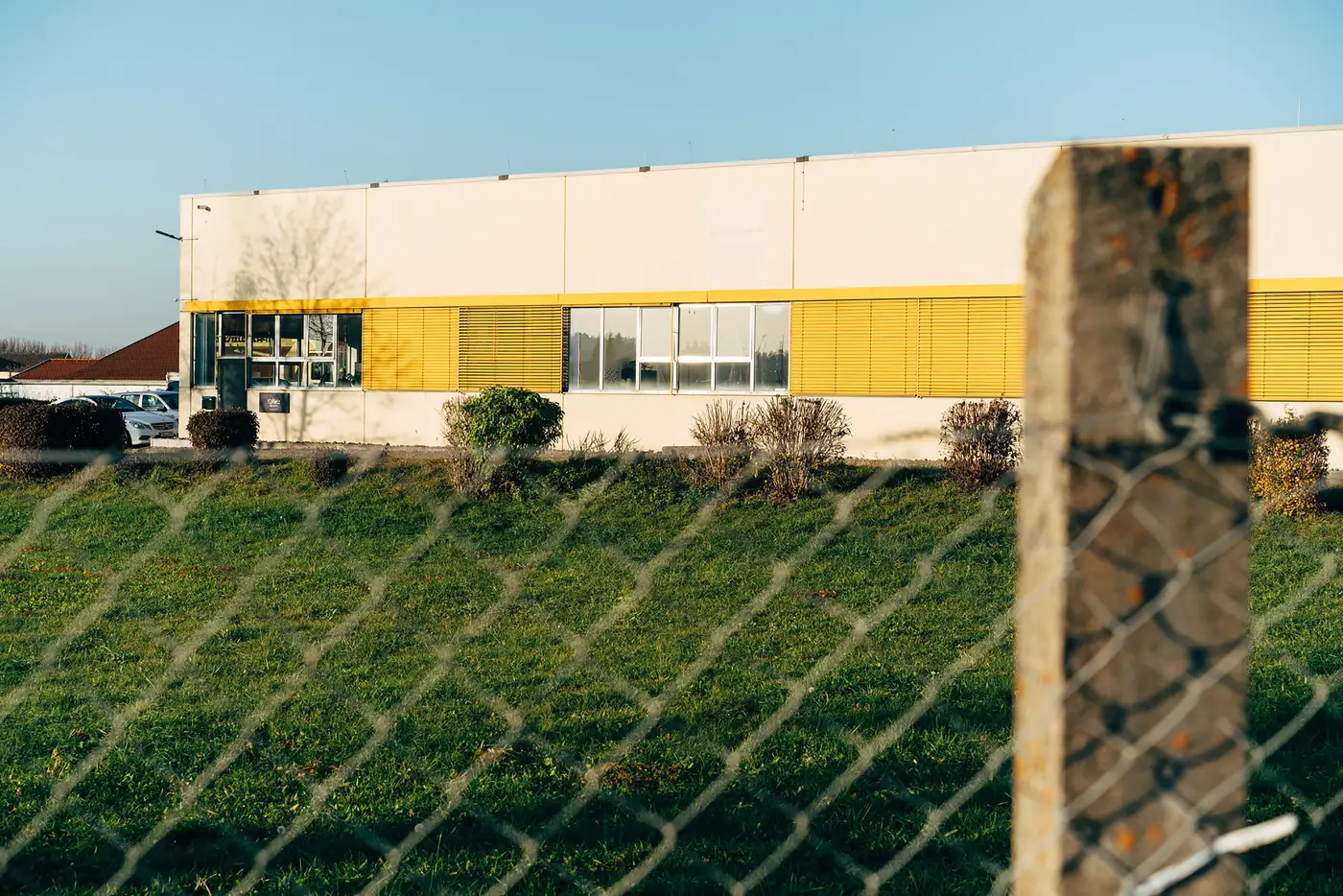
Most onboarding files have a site check in them somewhere. A declared address, maybe a floor plan from the RFP, sometimes a photo the supplier sent themselves. Then the file closes, the supplier gets a vendor number, and nobody looks at that address again until something goes wrong.
The honest answer to "how often should you re-verify" depends on what the supplier does for you and how much has changed since you signed. But if your current answer is "never, until the next audit," you're carrying more risk than the file suggests.
Why the onboarding check expires
A plant verified at onboarding tells you what was true on that date. It doesn't tell you anything about now. Leases end. Suppliers sublet floor space to cover a slow quarter. A "dedicated facility" in the RFP turns into a shared unit with three other tenants by year two. None of that shows up in a renewed contract or a clean on-time-delivery score, because none of those documents are designed to catch it.
Procurement teams that only revisit site details during a formal audit are, in practice, running on data that's one, two, sometimes five years stale. That gap is exactly where the capacity mismatches show up: a supplier quoting output numbers that no longer match the building they're quoting them from.
What actually drives the cadence
There's no single interval that fits every supplier relationship, but a few things should push you toward checking more often rather than less:
Spend tier. A supplier carrying a meaningful share of category spend earns a tighter recheck cycle than a long-tail vendor you reorder from twice a year.
Contract events. Any renewal, volume increase, or exclusivity clause is a natural trigger. If you're about to commit to higher order volumes, that's the moment to confirm the plant backing those volumes still looks like it did at signing, not six months later during a delivery shortfall.
Time since last confirmed look. Annual is a reasonable default for tier-one suppliers. It's frequent enough to catch a site that's shrunk, moved, or quietly changed hands, and it doesn't require a full audit team to execute. A once-a-year recheck of the declared address and footprint is a sanity pass, not a replacement for the deeper audits you already run on a smaller set of critical suppliers.
Prior flags. If a supplier's declared floor area never quite matched their claimed output at onboarding, that's not a one-time note to file away. It's a reason to look again sooner than the standard cycle.
Building the recheck into the process, not bolting it on
A risk analyst who's chased one supplier address change through a renewal cycle already knows the recheck matters. The part that's genuinely hard is finding a lightweight way to run it on every file, not just the one that went wrong. Sending someone to physically confirm a plant exists where the paperwork says, every year, across a supplier base of any size, isn't something a risk analyst can absorb into an already full queue of RFPs and renewals.
That's the gap a site check from overhead imagery is built for. You don't need a site visit to confirm a building exists at a declared address and get a rough read on its footprint against claimed capacity. Supplier Site Verification runs that check as an annual, per-supplier sheet, so the recheck happens on a schedule instead of waiting for the next audit cycle to surface a problem that's been sitting in the file for years.
If your onboarding checklist has a site verification step and your post-onboarding process doesn't, that's the fix worth making before the next contract renewal, not after.
A recheck doesn't need to be exhaustive to be useful, just regular enough that a changed site doesn't sit unnoticed in your supplier file for years. Set the sheet to refresh annually and it stops being a question you have to remember to ask.