SSV/Blog·Oct 8, 2026
How to cross-check a supplier's claimed floor space against imagery
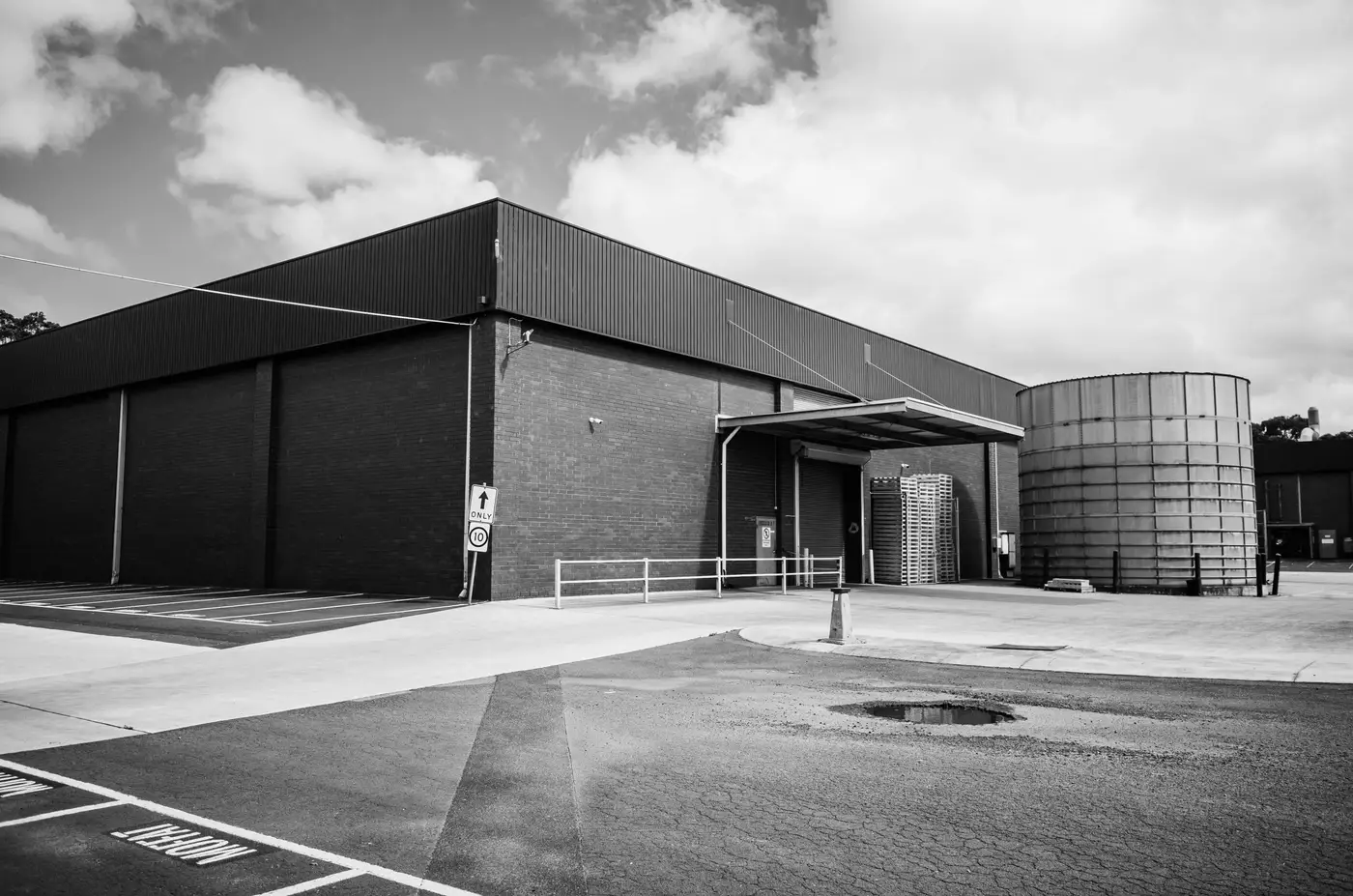
A supplier questionnaire comes back with a number: 42,000 square feet, manufacturing plus warehouse, at an address in an industrial park you've never driven past. You have no reason to doubt it. You also have no reason to accept it at face value before a contract goes out. This is the gap a lot of supplier risk teams live in: the paperwork says one thing, and nobody checks it against anything else until an audit finally gets scheduled, sometimes a year or two into the relationship.
Cross-checking a declared floor area against satellite imagery is one of the few sanity checks you can run without waiting on a site visit, a customs broker, or the supplier's own goodwill. It won't tell you about labor conditions or quality systems inside the walls. It will tell you whether a building of roughly the claimed size exists at the address on file, which is a lower bar than people think, and one that gets skipped constantly.
Why the declared number is often wrong, not fabricated
Before assuming fraud, it's worth knowing the ordinary ways a declared floor area drifts from reality. Suppliers often quote total leased or owned land area instead of built-up floor space. Multi-tenant facilities get reported as if the whole building belongs to one supplier. Older questionnaires get copied forward year after year without anyone re-measuring, so a 2019 expansion or a 2022 partial shutdown never makes it into the file. None of this requires bad faith. It just means the number on your intake form is a claim, not a measurement, and claims age badly.
Pulling a footprint estimate from imagery
The actual method is straightforward once you have a clear image and an address to anchor it to. You locate the parcel, trace the outline of the roofline and any attached loading or warehouse structures, and convert that traced area into square footage. Separately, you can measure the yard: parking, staging areas, container storage, anything outside the building envelope that signals activity level. A supplier claiming high-volume output from a site with a tiny yard and no truck apron is a pattern worth a second look, independent of whatever the floor area number says.
This is manual work if you're doing it ad hoc: pulling a current image for that specific coordinate, measuring by hand, deciding what counts as "building" versus "ancillary structure." It's doable for a handful of critical suppliers before a big award decision. It gets slower the more suppliers you're trying to cover, and slower still if you want to repeat it next year to see whether anything changed.
What a mismatch actually tells you
A footprint that's smaller than the claimed floor area doesn't automatically mean the supplier lied. Multi-story buildings pack more floor space onto a smaller ground footprint than a single-story claim would suggest, so you need to know which you're looking at before calling it a discrepancy. What a mismatch reliably tells you is that the file needs a follow-up question before you sign, not after: ask the supplier directly whether the declared number includes a second floor, a mezzanine, or a neighboring building they lease jointly.
The reverse case matters more in practice. A supplier claiming a modest 15,000 square foot operation sitting on a site with a footprint three times that size, surrounded by a yard full of outbound containers, is either understating capacity for pricing reasons or the address on file doesn't match where they actually run production. Either way, that's a conversation to have before the purchase order, not a surprise to find during a supply disruption.
Where this fits in an onboarding workflow
None of this replaces an audit. It's a first-pass filter: does a plant of roughly the right size exist where the supplier says it does, measured independently of their own declaration. For a single supplier ahead of a sourcing decision, it's a reasonable manual exercise. For a supplier base you're expected to re-check annually as part of ongoing risk monitoring, doing it by hand against fresh imagery every cycle is the step most teams skip after year one, so the declared numbers go unchecked again.
That's the specific gap Supplier Site Verification is built around: a named-supplier footprint and yard-area check delivered as a verification sheet each year, so the comparison against the declared floor space doesn't depend on someone remembering to run it manually. If your onboarding checklist still takes the supplier's square footage on faith, it's worth seeing what that sheet would show for your next critical award.