SSV/Blog·Oct 13, 2026
How to tell a registered agent address from a real production site
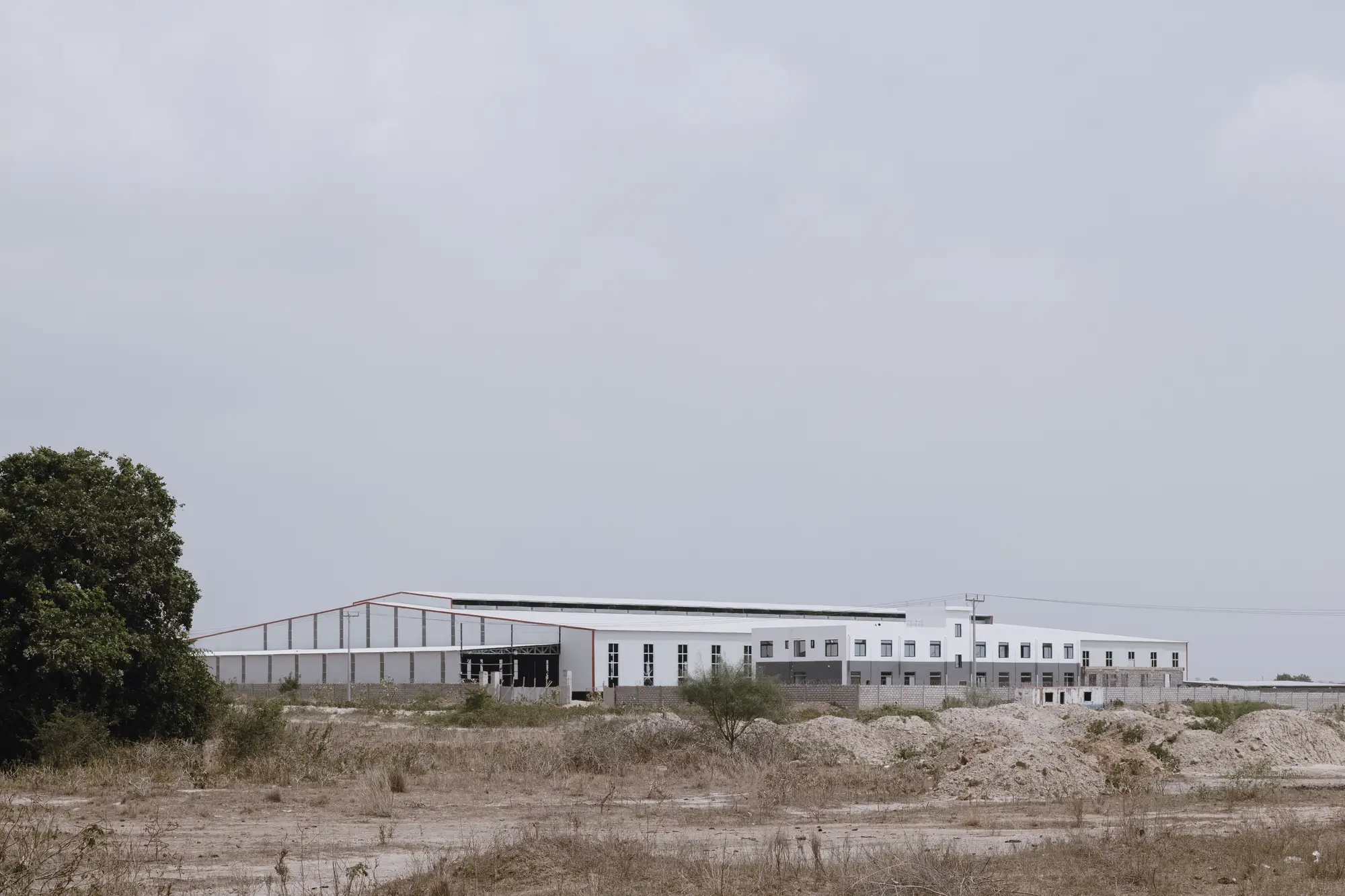
A supplier onboarding packet lands on your desk with a clean address, a W-9, and a line on the form that says "manufacturing facility." Nine times out of ten that address is exactly what it claims to be. The tenth time, it's a law firm's suite number, a registered agent service, or a UPS Store box with a unit number dressed up to look like Suite 240.
The trouble is you can't tell which one you've got just by reading the form. The formatting looks identical.
Why the address on the form rarely means what you think
Every company incorporated in the US needs a registered agent on file with the Secretary of State, and that agent's address shows up in public filings, Dun & Bradstreet records, and sometimes on the supplier's own letterhead. For a small supplier using a formation service, that registered agent address might be the only address that exists anywhere in official paperwork, because the actual plant was never filed separately.
That's not automatically a red flag. Plenty of legitimate manufacturers use a registered agent in Delaware or Nevada for tax reasons while running real production three states away. The problem shows up when the registered agent address and the declared production address are the same line, or when the "facility" address traces back to an office park with no loading docks, no yard, and a tenant directory listing four unrelated companies.
Shell address red flags worth checking before you sign
A few patterns show up often enough in onboarding review that they're worth a standing checklist:
- The address is a known CMRA (commercial mail receiving agency) format, a street number followed by a "#" or "Suite" that's actually a mailbox number, not a floor.
- The address matches a registered agent service you've seen on other suppliers' filings. These firms host thousands of companies at one street address, and it's a different building every time you look it up.
- The declared square footage on the supplier questionnaire doesn't match anything you can see on a quick map look, because the pin drops on a strip mall or a residential block.
- The supplier is cagey about a site visit date, pushes it past your onboarding deadline, or offers to "send photos instead."
None of these prove fraud. A startup supplier genuinely might be subletting space, finishing a build-out, or running a hybrid model where final assembly happens at a partner's plant. But each one is a reason to slow down before the purchase order goes out.
What a quick imagery check actually settles
You don't need a site visit to answer the first question, which is simply: does a building exist at the address the supplier gave you, and does it look like a plant or like an office suite? A current satellite or aerial image of the declared coordinates answers that in minutes. If there's a parking lot sized for a dozen cars and no yard, that's inconsistent with a claimed 50,000 sq ft fabrication facility. If there's a warehouse footprint with loading bays and a staging yard, the claim holds up enough to move forward with normal diligence.
This is the gap Supplier Site Verification closes: a yearly check against VHR imagery that confirms a named supplier's plant exists where the paperwork says, and measures the footprint against what's been claimed. It's a first-pass sanity check you can run before the contract is signed, well ahead of whatever audit eventually happens.
When to escalate past the desk check
If the imagery doesn't match the claim, that's not proof of a shell address. It's a reason to ask the supplier directly for clarification, request updated documentation, or move the site visit up in your onboarding timeline. The desk check exists to tell you which suppliers deserve that extra step before you commit spend.
Run that check against the next supplier packet that crosses your desk before you take the declared floor area on faith.