SSV/Blog·Oct 26, 2026
How to tell a supplier's stock photo from their real factory
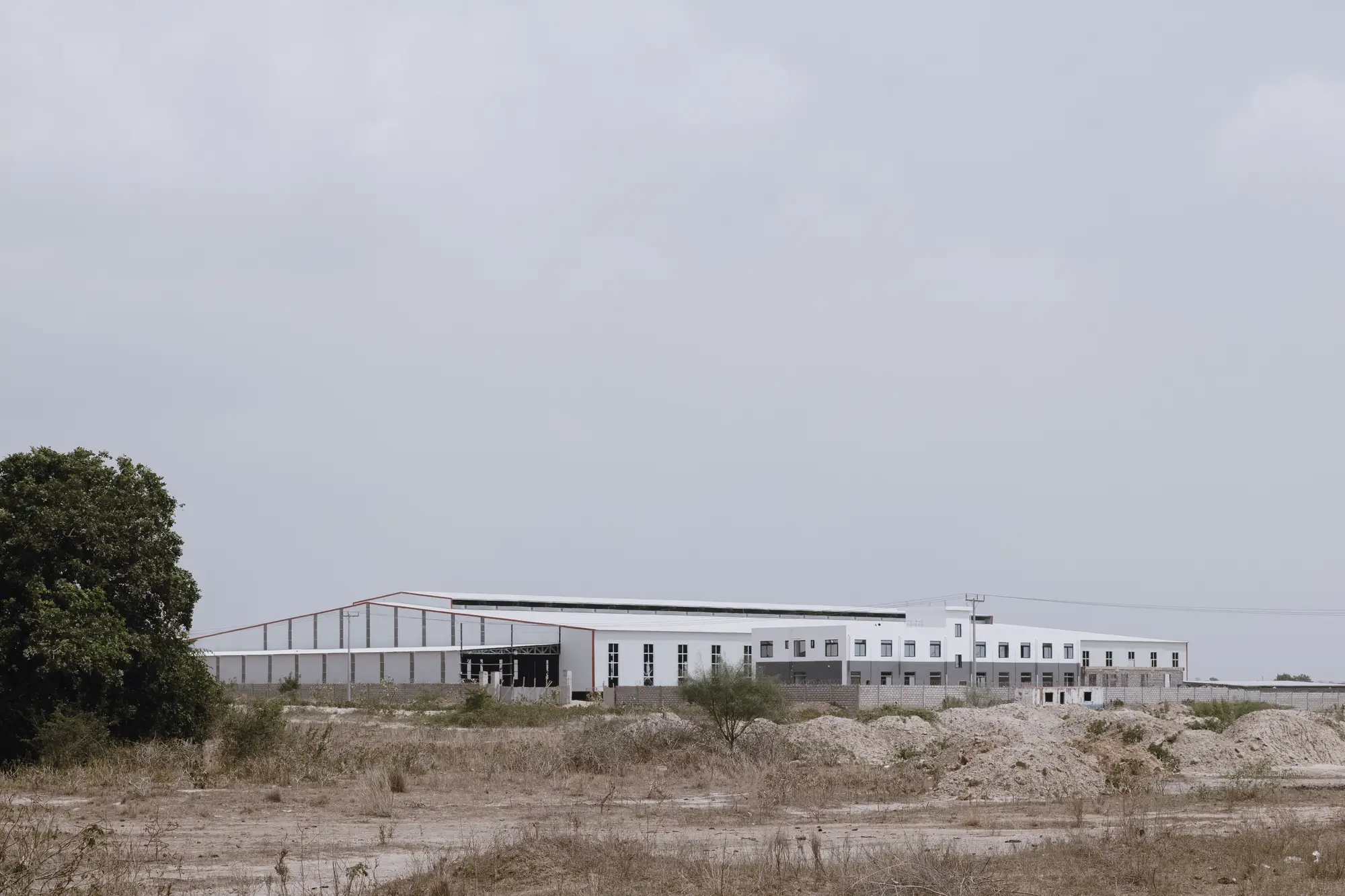
Every onboarding packet has a photo of "the facility" in it somewhere. Clean roofline, loading dock, maybe a company sign bolted to the front wall. The question a risk analyst actually has to answer is whether that photo is the supplier's plant or just a photo that looked right for the slide deck.
This happens more than procurement teams like to admit. A supplier pulls an image off their own marketing site that was shot years ago at a different address, or licenses a stock photo of a "generic modern factory" because their actual building is older and smaller than the capacity claims suggest. Neither is necessarily fraud. Sometimes it's a sales deck built by someone who's never been to the plant. But it still leaves you unable to confirm the thing you're onboarding against.
The usual tells in a borrowed photo
A few patterns show up again and again in packets that have a photo problem.
No identifying marks. Real plant photos almost always have something specific in frame: a company name on the building, a fleet truck with a logo, a forklift with a visible asset tag. Stock photos are scrubbed clean on purpose, because the point of a stock photo is that it could belong to anyone.
Wrong geography for the declared address. A plant in a hot, dry industrial zone shouldn't have snow in the parking lot or landscaping that only grows somewhere wetter. This sounds obvious until you're looking at the fortieth packet of the week and start skimming instead of reading.
Suspiciously good lighting and composition. Working plants have forklifts parked crooked, pallets stacked against the wall, a dumpster near the dock door. Stock photography is staged to look empty and tidy. If the yard in the photo looks like nobody's ever used it, that's worth a second look.
A reverse image search turns up the same photo elsewhere. This is the fastest check and the one most analysts skip because it feels like extra work. Drop the image into a reverse search tool and see if it's attached to a different company name, a stock photo library, or a facility in a different country. Five minutes, and it either clears the photo or kills your confidence in the whole packet.
Cropping that avoids the surroundings. A photo shot tight on one building face, with no yard, no neighboring lots, no street visible, is harder to place. Combined with any of the tells above, it adds up fast.
What a real plant photo should let you confirm
A legitimate facility photo, even a bad one taken on someone's phone, usually lets you cross-check it against the declared address on a map. The building shape, the yard layout, the roofline against neighboring structures: these should line up with what satellite or aerial imagery shows at that address. If the supplier's photo shows a sprawling single-story plant with a large fenced yard and the coordinates on file show something that looks more like a strip mall unit, you have a mismatch worth raising before the contract is signed, not after.
This is also where a photo check runs out of road. A photo tells you something exists that looks plant-like. It doesn't tell you the footprint matches the capacity numbers in the RFP, or that the building at that address is big enough to run the production volumes the supplier is quoting. For that you need an independent read on the site itself, not just the picture they sent you.
When the photo alone isn't enough
Photo tells catch the obviously lazy packets. They don't catch a supplier who's using a real photo of a real building that happens to be smaller than what they've declared, or a facility that exists but sits at a different address than the one on file. Supplier Site Verification was built for that gap: it confirms a named supplier plant exists where the paperwork says and measures the footprint, yard, and building area from very-high-resolution imagery as a first sanity check on the capacity being claimed, independent of whatever photo made it into the packet.
If a photo in your onboarding file has you second-guessing the address on it, that's usually the sign to pull a verification sheet before anything gets signed.