SSV/Blog·Oct 8, 2026
How to verify a supplier's factory address before you sign
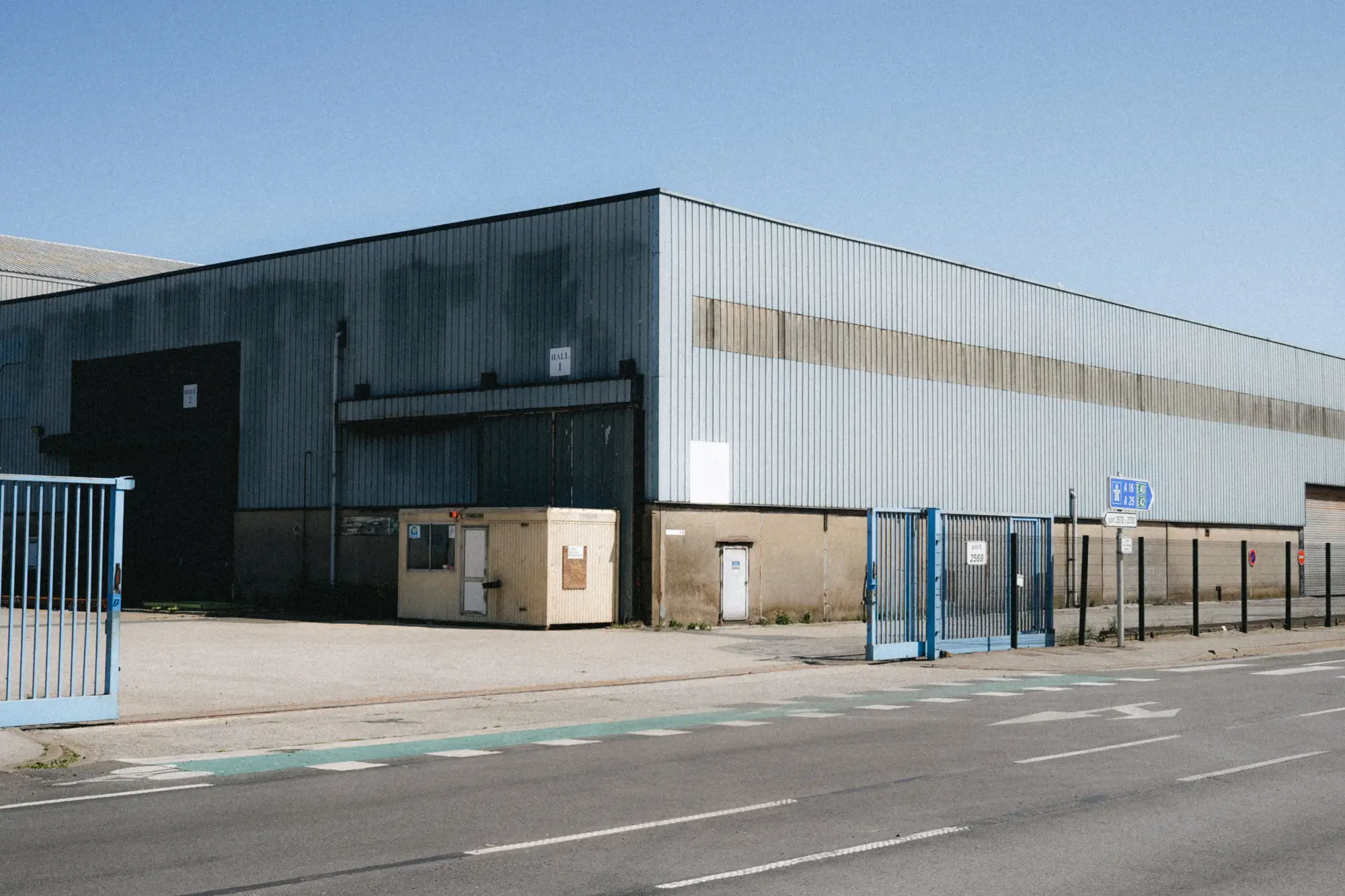
A new supplier questionnaire lands on your desk. Registered address, declared floor area, claimed production capacity, all filled in neatly. The business license checks out. The ISO certificate looks current. Procurement signs off, the contract goes out, and six months later an auditor shows up to find a trading office with three desks where the "120,000 sq ft manufacturing facility" was supposed to be.
This happens more than anyone likes to admit, and it happens because the gap between onboarding and the first on-site audit is usually months, sometimes a year. By the time someone physically checks the address, the contract is signed, the first PO has shipped, and unwinding the relationship costs a lot more than catching it upfront would have.
What a supplier questionnaire actually proves
A declared address and floor area on a vendor form prove that someone typed an address and a number. They don't prove a building exists there, that it's the right size, or that it's doing what the supplier says it's doing. Addresses get copied from a sister company's registration. Floor area gets rounded up, sometimes by a lot, because a bigger footprint reads as more production capacity to a buyer who's never seen the place.
The business license and trade registry entry are worth checking, and you should. They confirm the entity is legally real. They say nothing about whether the specific plant named on the supplier's declaration is a functioning facility of the size claimed, a shell address used for correspondence while actual production happens somewhere else, or a vacant lot.
A pre-contract checklist that doesn't require a plane ticket
Before the contract stage, there are a handful of checks that don't need a flight and don't need to wait for the annual audit cycle:
- Registry cross-check. Pull the registered address from the local business registry and compare it line by line against the supplier questionnaire. Registry entries sometimes list a holding company or a different branch than the actual plant doing the work.
- Geotagged photos. Ask for recent photos of the building exterior and loading area with location data intact, then check the surroundings against what's visible nearby.
- Local industry association. A quick call to the regional chamber of commerce or trade body can confirm whether a facility of that name and size is known in the area.
- Footprint check from imagery. Pull up the declared coordinates and measure the actual building and yard against the claimed floor area. A supplier claiming a 50,000 sq ft plant should have a roof line and yard to match, not a footprint a tenth that size.
- Site visit commissioning. For higher-risk categories or larger contract values, a third-party audit firm can do a physical walk-through before signing, though this adds weeks and cost that not every onboarding timeline can absorb.
Most procurement teams run the first two or three as standard practice. The footprint check is the one that gets skipped, mostly because it sounds like it requires GIS expertise nobody on the sourcing team has. It doesn't. It requires a current satellite or aerial image of the declared address and a rough comparison of building and yard size against what the supplier claims.
Where this fits in a real onboarding timeline
None of this replaces an on-site audit for a supplier you're about to commit real volume to. What it does is close the gap between "the paperwork looks fine" and "someone has actually confirmed a plant exists where the address says it does." A footprint sanity check takes days, not weeks, and it catches the two most common problems: the address that doesn't correspond to a real industrial site, and the floor area that's inflated well past what the building could physically support.
If the footprint comes back roughly in line with the claim, you've bought yourself confidence to proceed on the normal timeline. If it doesn't, you've found a reason to ask harder questions, or commission the site visit, before the contract gets signed instead of after.
Supplier Site Verification turns this check into a per-supplier sheet: a confirmed plant location plus a measured footprint and yard area, delivered before you commit to the contract rather than discovered at the first audit. Run it on the next supplier declaration that lands on your desk.