SSV/Blog·Oct 14, 2026
What is a shell company address, and how does it show up in supplier onboarding?
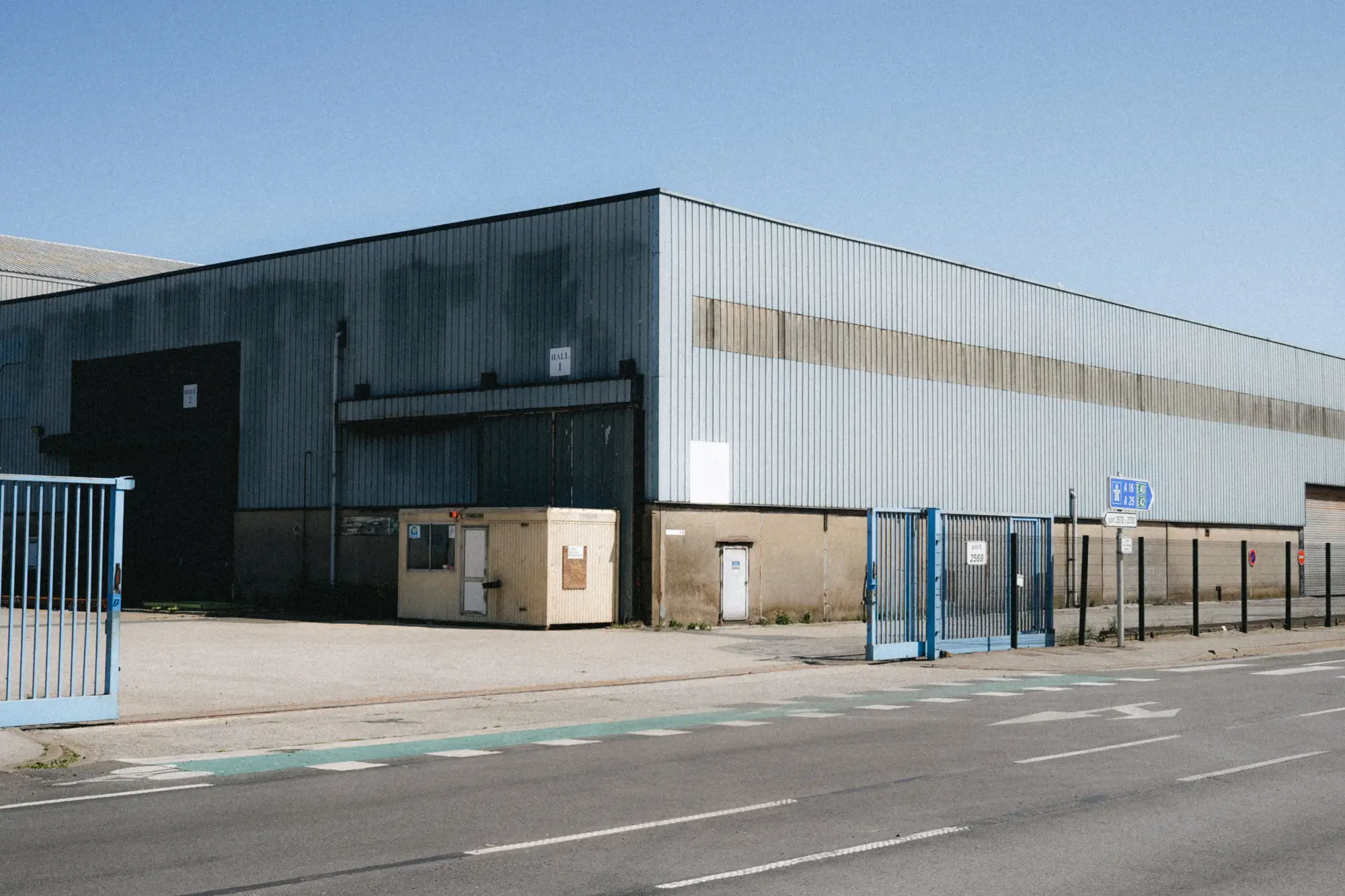
A supplier hands you a W-9, a certificate of incorporation, and a one-page capability statement listing a 40,000 square foot facility in a mid-size industrial park. The address on the incorporation paperwork matches the address on the capability statement. Everything lines up on paper. None of that tells you whether a building with 40,000 square feet of floor space sits at that address, or whether the address is a mailbox, a law firm's suite, or a registered agent service that a few hundred other companies also use.
That gap between "the paperwork is consistent" and "the plant is real" is where a shell company address does its work.
What a shell company address actually is
A shell company address is the registered location a business lists with the state or country it's incorporated in, used without any operating activity happening there. It's not automatically fraud. Plenty of legitimate holding companies, joint ventures, and newly formed subsidiaries register at an address that's really a law firm, an accountant's office, or a formation agent's suite, because the entity itself doesn't need a building yet.
The trouble starts when a supplier uses that same registered address, or one just as thin, as the answer to "where is your manufacturing plant" on an onboarding questionnaire. At that point the address is standing in for a claimed production footprint, and there's no guarantee that footprint exists anywhere at all.
Registered agent addresses tend to share a few traits worth knowing: a suite number instead of a building name, hundreds of other registered entities at the same street number if you search it, and a location in a state or jurisdiction chosen for incorporation convenience rather than proximity to the supplier's claimed customer base or raw materials.
Registered office vs operating site
These are two different things that onboarding forms routinely collapse into one field.
The registered office is a legal address. It's where service of process gets delivered and where corporate filings list the company as domiciled. It can be a law office, a virtual office provider, or a registered agent's suite, and there's nothing wrong with that on its own.
The operating site is the physical location where the supplier does the work: cuts the parts, runs the line, stores the inventory, loads the trucks. For a real manufacturer, this is a building with a footprint, a yard, loading docks, parked trailers, and the general wear of a working facility.
A supplier can have a registered office in Delaware and a plant in Guangdong, and that's completely normal. The red flag is a supplier who can't or won't give you a separate operating address, or whose operating address turns out to be the same registered-agent suite listed on the incorporation paperwork.
Supplier address red flags during onboarding
A few patterns show up often enough in onboarding files to be worth a second look:
The address format itself. Suite numbers, "c/o" lines, or PMB (private mailbox) designators on what's supposed to be a manufacturing address.
A claimed floor area that doesn't match the zoning or property type at that address. A supplier claiming a 60,000 square foot stamping facility at an address zoned for office or retail use.
Reluctance to provide site photos, a plant tour, or a recent utility bill tied to the operating address, after readily providing registered-office documentation.
Multiple unrelated suppliers in your vendor master sharing the exact same street address, which usually means a formation agent or a co-working space rather than separate plants.
An address that changed recently with no explanation, especially right before a bid submission or audit request.
None of these prove a shell arrangement on their own. Together, they're the pattern procurement teams have learned to pull on before they sign.
Confirming the plant exists before you commit
The most direct way to close the gap between "address on file" and "plant on the ground" is to check whether a building sits where the paperwork says it does, and roughly how big it is. Supplier Site Verification does exactly that: it confirms a named supplier plant exists at its declared address and measures the footprint, yard, and building area from satellite and aerial imagery, delivered as a per-supplier sheet you can run as a first-pass sanity check before onboarding goes further.
If a supplier's address is due for a look before the file gets signed off, that's the check to run next.