SSV/Blog·Oct 26, 2026
What is a sister factory, and why it matters for supplier verification
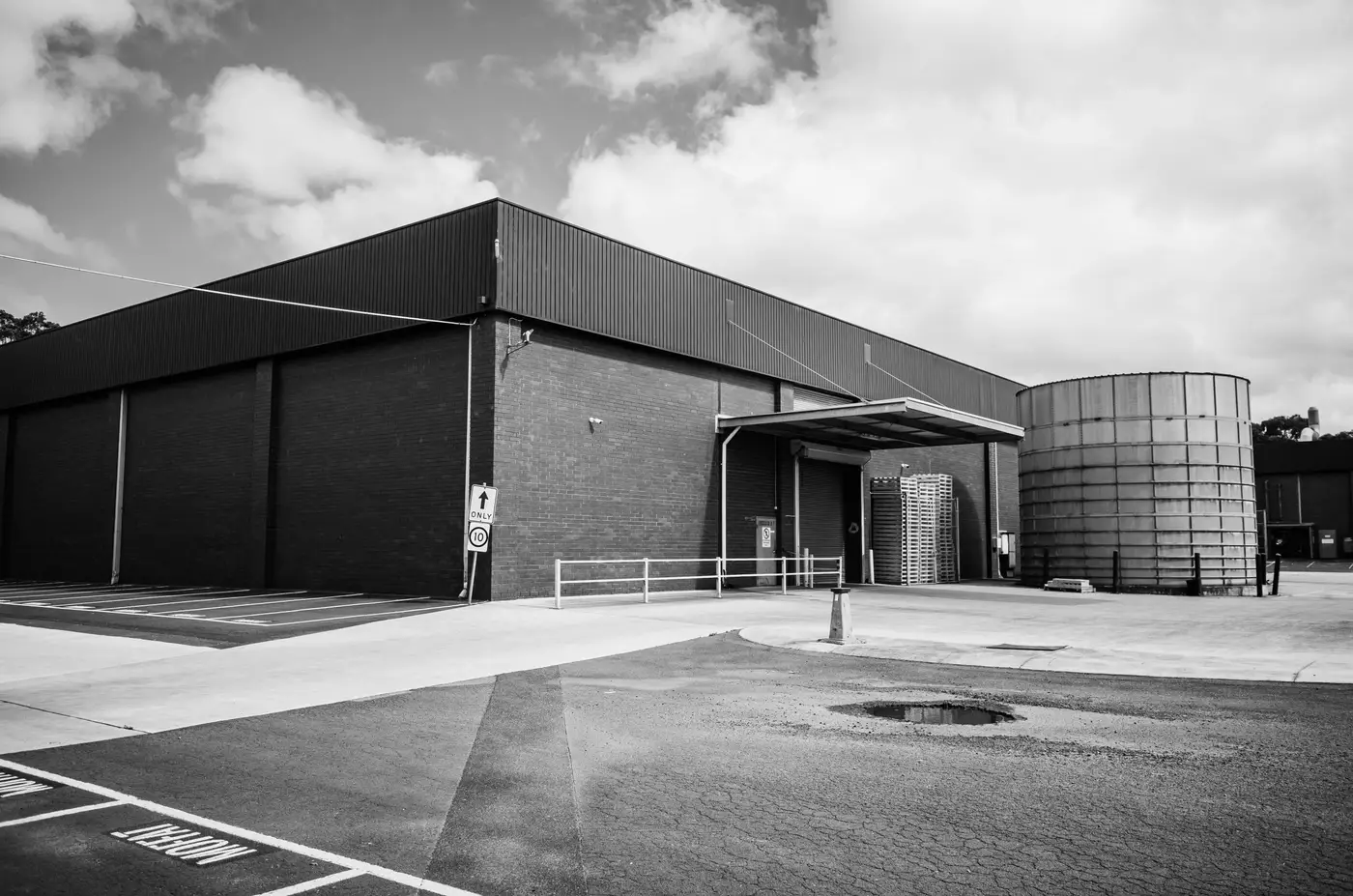
A supplier sends you a plant name, an address, and a floor area on the onboarding questionnaire. You file it, run your checklist, and move on. Most of the time that's fine. Sometimes the plant on the paperwork isn't where the order actually gets made.
That gap has a name in sourcing circles: the sister factory problem. A supplier routes work between two or three sites under one group umbrella and doesn't bother telling you which one picked up your order.
What a sister factory is
A sister factory is a second production site owned by, or affiliated with, the supplier you're onboarding, often under a shared parent company or the same ownership family. The supplier quotes you using the plant that looks best on paper: the one with the newer certification, the bigger declared floor area, the cleaner audit history. Then capacity gets tight, or that plant is mid-renovation, or the group simply prefers to keep one site loaded and the other idle, and production shifts to the sister site without a word to you.
A shadow factory is the sharper version of the same problem: a facility that doesn't appear on the supplier's org chart or disclosure at all, an unnamed building the work moves to when the declared plant can't absorb the volume. An undisclosed subcontract plant is the third variant. The supplier never built capacity at all and is farming your order out to a contract manufacturer they'd rather you not ask questions about.
All three versions produce the same gap: declared plant vs actual plant. The address your risk file says the goods came from, and the address they were made at, stop matching.
Why this matters before you sign, not after
Supplier risk teams usually catch sister-factory routing one of two ways. Either an audit visits years in and finds a different building than the one on file, or a customs or traceability flag surfaces it after goods have already shipped. Both are expensive ways to learn something you could have checked on day one.
The declared floor area is the tell most teams skip past. A supplier claiming 40,000 square meters of production space, cold storage, or covered yard is implicitly claiming a capacity range that goes with that footprint. If the named address is a 6,000 square meter unit in an industrial park, the numbers don't reconcile, and that mismatch is worth a question before the contract is signed, not a finding after the first shipment.
A one-time check at onboarding isn't enough on its own, either. Group ownership structures shift, plants expand or get mothballed, and a supplier that was routing from a single site last year may be running two by the time your annual review comes around. A verification step that only happens once treats a moving situation as a fixed fact.
What to check first
Before you accept a declared plant as the one doing the work, three questions do most of the lifting:
- Does a facility exist at the stated address, at roughly the footprint claimed?
- Does that footprint match the production volume or capacity the supplier is quoting you?
- Has anything changed at that address since the last time you checked: new construction, an expanded yard, a building that's gone quiet?
None of those require sending an auditor on a plane. They require an independent look at the site itself, separate from whatever the supplier's own paperwork says.
That's the gap Supplier Site Verification was built to close: a per-supplier check against very high resolution imagery that confirms a named plant exists where the paperwork says and sizes its building and yard footprint as a sanity check on claimed capacity, run annually so a shift in the group's site mix doesn't sit undetected for years.
If your onboarding checklist currently takes the declared plant on faith, run one named supplier through a site verification sheet and see what the footprint says.