SSV/Blog·Oct 8, 2026
Supplier's declared address doesn't match the map? Here's the fix
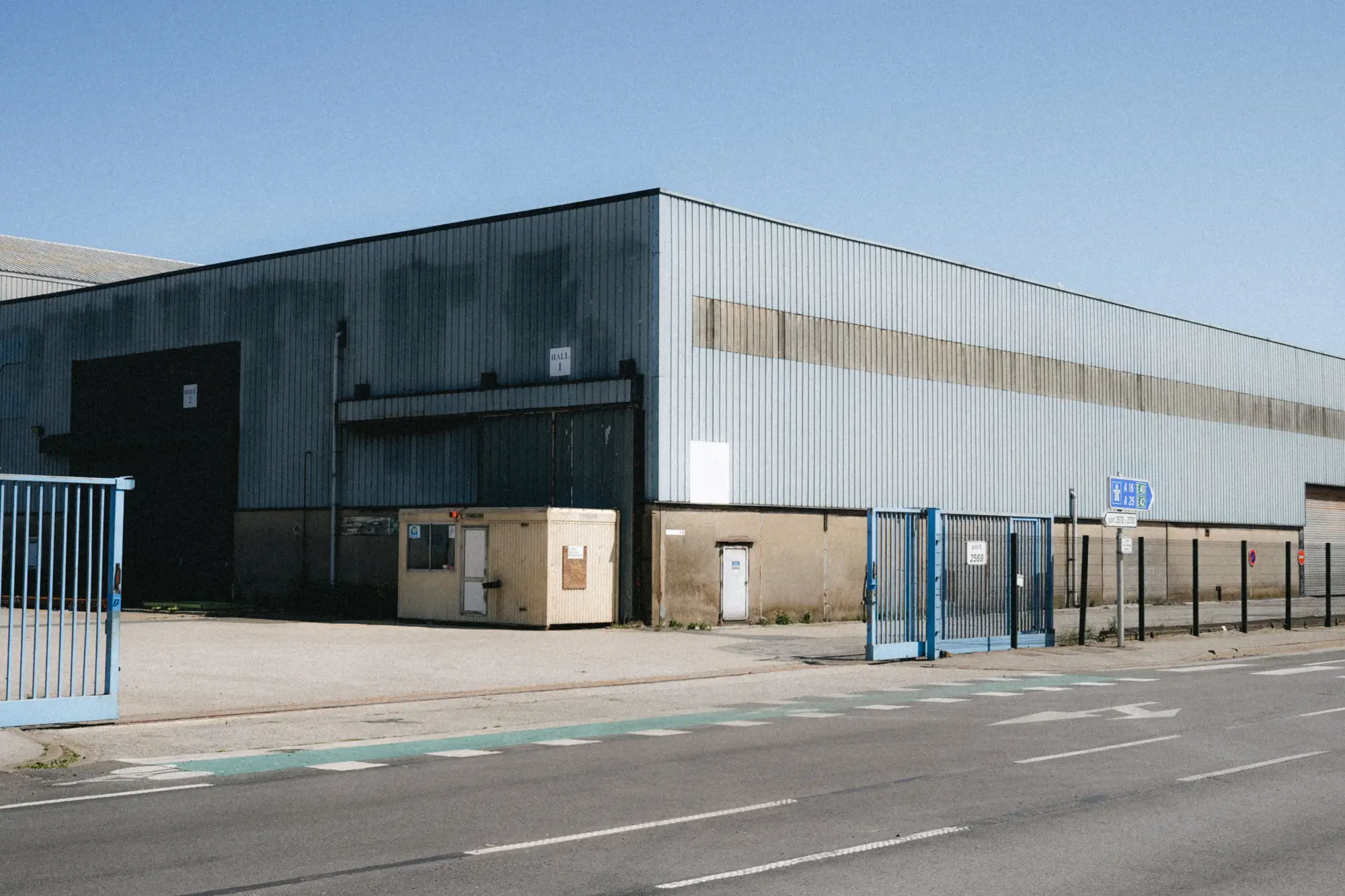
You pulled the supplier's onboarding packet, dropped the declared plant address into a map, and the pin lands on a residential block, an empty lot, or a warehouse three streets over from where the supplier says their facility sits. Now what.
This happens more often than procurement teams like to admit. Addresses get fat-fingered in a form. A supplier lists their registered business address instead of the actual manufacturing site. Sometimes the mismatch is nothing, a geocoding quirk or a rural address that doesn't resolve cleanly. Sometimes it's the first sign that the "plant" on the qualification questionnaire is a trading office, a forwarding address, or doesn't exist as described.
Either way, you can't sign off on a new supplier record with an address you haven't confirmed. Here's how to work the problem before it becomes an audit finding six months in.
Rule out the easy explanations first
Before you escalate anything, check the boring causes:
- Transliteration and formatting errors. Addresses in China, India, and parts of Latin America often don't geocode cleanly on the first try. A missing building number or a district name entered in the wrong field can throw the pin kilometers off.
- Registered address versus operating address. Plenty of suppliers list their parent company's HQ or a holding entity's address on the master vendor form, not the actual production site. Ask the supplier directly which address is which, in writing.
- Old data. If the supplier record is more than a year or two old, the plant may have relocated or expanded onto an adjacent parcel and nobody updated the file.
If none of those explain it, you're looking at a real discrepancy, and that's a different conversation with the supplier.
What to actually check once you've got a candidate location
Once you've got a corrected or disputed address, don't just confirm there's a building there. Confirm there's a building that matches what was declared.
A named plant address should correspond to a site with a footprint roughly consistent with the claimed production capacity, a yard or loading area if the supplier ships physical goods, and visible activity (parked trucks, stacked materials, roof HVAC units) rather than a bare lot or a shuttered structure. None of that requires a site visit. Current very-high-resolution satellite or aerial imagery, at roughly half-meter resolution, is sharp enough to measure building and yard area and see whether the place looks like what's on paper.
This matters because a supplier who overstates floor area on a qualification form is usually also overstating capacity, headcount, or the ability to scale an order. The address mismatch is often how you find that out, not a separate problem from it.
Document the discrepancy before you escalate
Whatever you find, write it down before the conversation with the supplier or your category manager. Note the declared address exactly as submitted, the geocoded coordinates you checked, a screenshot or export of the imagery with date stamp, and the measured footprint if you took one. If this supplier later shows up in an audit or a customer's second-tier mapping exercise, you want a dated record showing you caught and resolved the discrepancy at onboarding, not after.
When to escalate instead of resolve it yourself
Not every mismatch is yours to close out alone. Escalate to sourcing or compliance when the supplier can't produce a clear answer for which address is correct, the corrected address still doesn't show a facility consistent with the stated production type (a textile exporter at what looks like a two-car garage, for instance), or the supplier resists providing GPS coordinates or a facility photo when asked. A supplier with nothing to hide usually clears this up in one email.
Build the check into onboarding, not just incident response
Catching this before a new supplier record goes live costs you one email and a few minutes with imagery. Catching it after the contract is signed costs an audit finding and a scramble to requalify a supplier mid-relationship. A first-pass check on the declared plant, run before contracts are signed, turns "we'll verify it eventually" into a step that happens every time. Supplier Site Verification runs that check from current satellite imagery and returns a sheet confirming whether the named plant exists at the stated address and roughly what footprint it covers, so the question gets answered at intake instead of during an audit.
If you're staring at a pin that doesn't match the paperwork right now, that's exactly the gap worth closing before this supplier gets a PO number.